
To sponsor or not to sponsor – that is the question
By: Ben Webb
The July 19th, 2026 FIFA World Cup final between Spain and Argentina at MetLife Stadium in New Jersey is the climax of the biggest and most extravagant World Cup competition in history. Fans from 48 countries – singing, cheering and wearing their national colours – have criss-crossed the three host countries to savour 104 matches in 39 days. For the winners it will be a triumph of talent, team spirit and tactics.
Just as it is for the marketing teams of all the thousands of brands competing to cut through the crazy noise and get their messages across. From huge mini-film TV ads to snappy Tiktok, brands have unveiled their strategies. “It’s [been] very exciting to see everybody put their pieces on the table,” Caleb Jensen, an executive creative director at Wieden+Kennedy, Nike’s creative advertising agency, told BBC News. “It does feel like it’s a World Cup in itself, just in the world of advertising.”
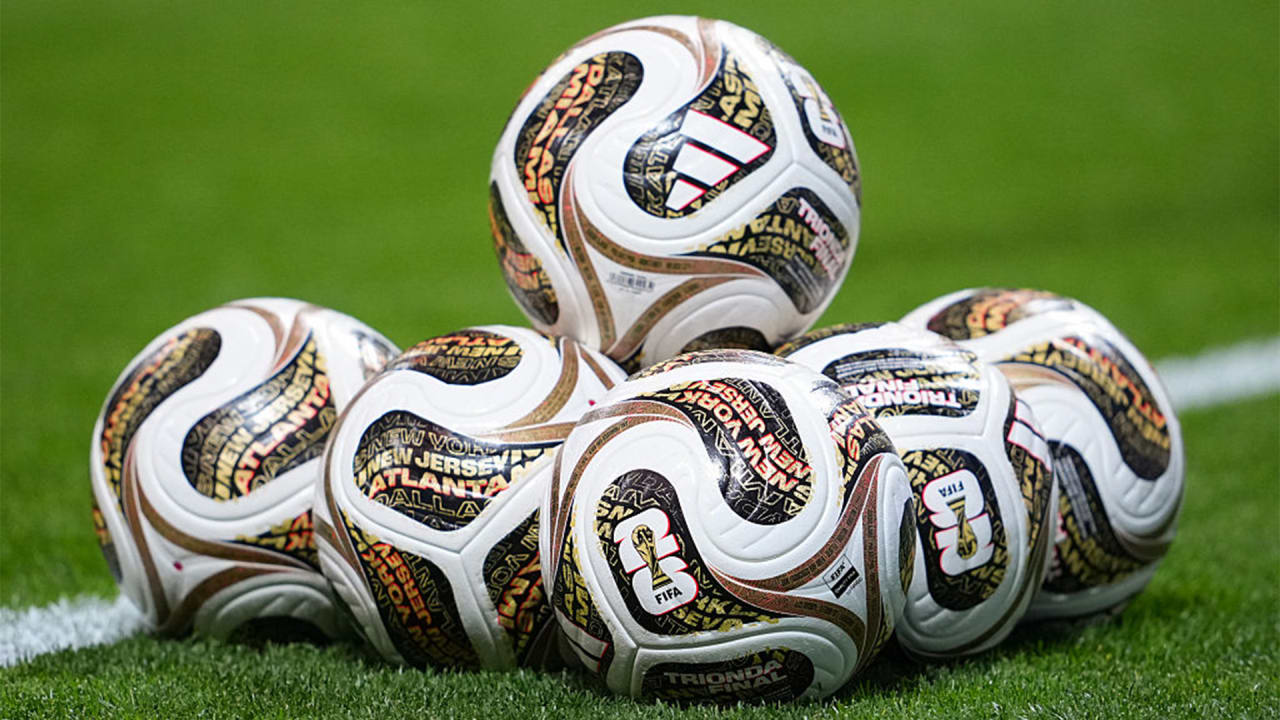
Some brands play it safe and spend big to become FIFA sponsors. Adidas – who has supplied the ball since 1970 – and Coke invested an estimated $200m (per four year cycle) to sit at the top table as official partners. At the lower end, the likes of AirBnB and American Airlines dropped $50m to be tournament sponsors. Like Spain, perhaps, these brands like to control the narrative, squeeze out the competition and use their teamwork and well-honed strategies to ensure victory.
The playbook is well understood and can be hard to beat. Sponsors do, however, have to avoid confidence or complacency. Rexona, the deodorant brand, has shown how sponsorship can be clearly exploited to entertain and inform viewers. It paid to have its logo positioned on, wait for it, the armpits of the fourth official. It might not sound much but at the end of each half he lifts a board above his arms to reveal how much extra time is to be played. And behold the logo! It’s a moment of high drama when the game’s on a knife-edge. He appears in TV close up. It’s clever, on point and funny.
The non-sponsors – like Nike – have a totally different approach. It’s about being inventive and thinking outside the box. More like Argentina in the final, for example, who relied more on the individual flair of their talisman, Lionel Messi, for moments of breathtaking brilliance.
Big is beautiful
One thing is for sure. This year the money lavished on star-studded beautifully produced ads is higher than ever. In scale and ambition, they are like mini-movies rather than traditional commercials. And the sales pitches of the brands are far more low-key. Football fans are keen to be entertained, to feel they are part of an exciting cultural event rather than consumers being sold boots, sodas and sportswear.
So the Big Two – sponsors Adidas and non-sponsors Nike – have gone head-to-head with sumptuous films showcasing their stars (and there are a lot of them, both football and non-football) and tapping into as many cultural touchpoints as possible.
Adidas’ Backyard legendsstars man–of-the-moment Timothée Chalamet and three football superstars including – of course – David Beckham, AI-ed to look youthful, for a hint of nostalgia. The story’s touching – no glitzy stadiums, just backyards and streets. The music’s cool, too. “Adidas was not selling boots,” says Christophe Asselin, Senior Insights & Content Specialist at Onclusive [onclusive.com/en-gb/profile/christophe-asselin/]. “It was selling a vision of what football means across generations, geographies, and popular culture.”
It’s a creative triumph. Adidas’ use of the sponsors playbook has been spot on. But is it good enough to beat Nike? Does a FIFA logo help?
Nike, traditionally, produces something amazing. Perhaps because it saves $200m on sponsorship. And this year their six-minute ad is aptly called Rip up script and stars a stellar cast of the world’s top footballers playing the game in a Hollywood studio. A Nike spokesman explained: “[It’s a] rallying cry for football lovers everywhere to ditch the playbook and embrace attacking, creative, instinctive and joyful football—serving as a reminder that the game is at its best when players trust their gut.”
Perhaps it is, but it’s also a parade of box office football stars – Ronaldo, Haaland, Mbappé – whose personal equity has more impact than a logo on a football or a stadium hoarding. When Norway played France, for example did the fans notice the branding in the stadium? Or the posse of 20 Haaland look-alikes – including Channing Tatum – which created a powerful viral moment. Social media loved it. It was one of many. Why pay to partner with FIFA if your roster of players can hijack the conversation and deliver a reach that is more valuable?
Guerilla tactics work
Of course it’s not just Nike that is trying to outplay FIFA. Our favourite campaign is the way Levis turned FIFA’s “clean stadium” policy to its advantage. The policy demands the names and logos of brands that are not official sponsors must be covered from all the stadiums. And so at Levi’s Stadium in Santa Clara, California, the brand did as it was told… and covered its name with a white tarp the same shape as its iconic batwing logo.
If anything, the new look image stood out even more. In fact it looked supercool. Next Levi’s made the new white logo its instagram profile image and proudly added it to flagship store frontages around the world. The move was supported by an ironic Nobody’s Gonna Know message. So good it went viral. So good you can now buy the T-shirt.
These creative tactics end up with the brands coming across as clever, forward thinking, humorous, capable of having fun… just like your buddies. FIFA, on other hand, not so much. Too predictable and defensive… just like your least favourite sports teams. On Sunday night we will know if Spain or Argentina are world champions. It may take longer to assess who won the battle of the sponsors v the non-sponsors…
If you would like to talk to us about your sponsorship strategy as part of your marketing mix then we would love to hear from you.